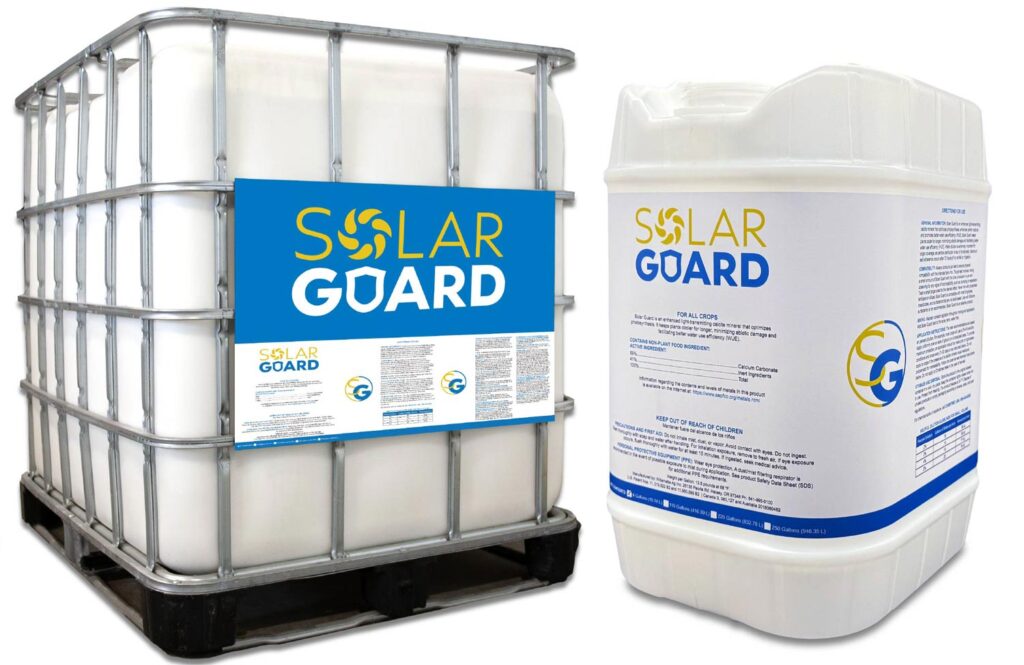
Backed by patented SMART CAL++ technology and years of university research, Solar Guard uses nano-calcium innovation to keep plants thriving under intense sun and heat. Available in 4, 110, 220, and 250 gallon sizes, it delivers proven protection for growers everywhere.
Directions For Use
General Information: Solar Guard is an enhanced light-transmitting calcite mineral that optimizes photosynthesis, enhances carbon capture, and promotes better water use efficiency (WUE). Water dilution is extremely important for target coverage, as particle distribution is key to functionality. Maximum leaf adherence occurs after 72 hours of no rainfall or irrigation.
Compatability: Always conduct a jar test to ensure physical compatibility with the intended tank mix. The jar test involves mixing a small amount of Solar Guard with the other products in a jar and observing for any signs of incompatibility, such as clumping or separation. Treat a small target area for the desired effect. Never mix with phosphate fertilizers or silicas. Solar Guard is compatible with most fungicides, insecticides, and surfactants that are not acid-based. Use with Silicone surfactants is not recommended. Solar Guard is an alkaline product.
Mixing: Maintain constant agitation throughout mixing and application. Add Solar Guard last to the spray tank, water first.
Application: The rate recommendations are based on percent dilution. For example, most crops will use a 3%-4% solution. Apply uniformly over an acre of ground on a broadcast basis. To provide maximum protection, an application should be made prior to high-stress conditions and once every 21-30 days or as instructed below. Do not apply to crops if the presence of a calcite mineral visual residue is problematic for marketability. Follow the post-harvest removal instructions below. Do not apply to Christmas trees in the year of harvest.
Storage and Disposal: Store the product in the original labeled container in a cool, dry place. Keep the container tightly closed when not in use. Protect from freezing. The product freezes at 34 °F. Dispose of unused products or empty packaging according to federal, state, and local regulations.
For chemical spills or exposure call CHEMTREC USA: 800-424-9300
Helpful Dilution Guidelines for Small Volume:
Percent Solution
Gallons of Water per Acre
Amount per Acre
2%
15
38 oz
3%
15
58 oz
4%
15
77 oz
2%
20
76 oz
Crop Specific Directions
Click plus sign to expand info.
Citrus
Temperature and water stress affect flowering. Apply a 2 to 4% solution prior to or at flowering. Apply a second and third application during early to mid-stage and/or apply other applications 5 to 7 days prior to heat or stress events.
Pome Fruit
Apply a 2 to 4% solution. Apply first application after petal fall and before fruit size is ½ to ¾ inch in size but after bloom thinning. Apply the second application 24 to 30 days later at the beginning and during mid-summer, then every 21 to 24 days until coloration. For non-washed pome fruits, reduce the rates to ½ % solution after the first midsummer spray. Subsequent applications should not be used if discoloration could become problematic.
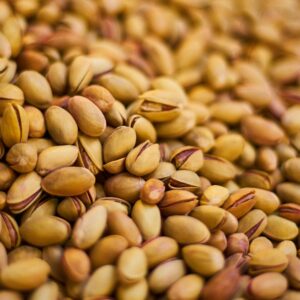
Chickpea, Soybean, Pea, Bean
Apply when plants begin to flower after nodes develop. Apply the second application 14 to 21 days after or when pod cavities start to fill. In the case of soybeans, foliar application should occur at the beginning of R1 (beginning bloom), and the last application should occur at R5 (beginning seed).
Peanut
Begin the first application at 10% bloom, followed by a second application at 100% bloom, and the third application at the beginning peg (R2) and at the full pod (R4).
Leafy Vegetables, Bulbs (Such as Onion and Garlic)
Apply 15 to 50 gallons per acre at 3 to 4 percent dilution. Refer to postharvest removal for undesirable residue and dilution rates. Spray the exposed bulb to reduce drying after lifting bulbs from beds while in the field.
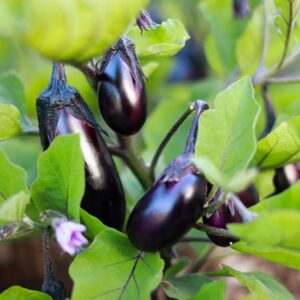
Eggplant, Pepper, Tomato
Apply at the end of the vegetative stage and repeat every two weeks until the fruiting stage. If residue is problematic, reduce the last spray. Refer to the post-harvest section.
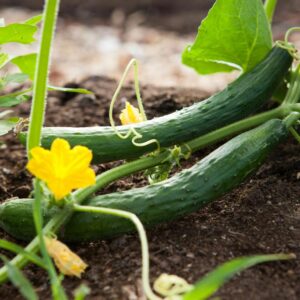
Cucurbit (Such as Cucumber, Melon, Pumpkin, Squash, and Watermelon)
Apply at any growth stage 3 to 5 days prior to a heat event. Apply immediately after the first harvest for vine recovery in melons to facilitate subsequent harvests.
Tree Nuts (Such as Almond, Chestnut, Filbert, Pecan, Pistachio, Walnut)
In nut crops, the first application should be made during the rapid growth of the ovary (future nut). Apply the second application at the onset of the kernel (rapid growth), usually occurring over 5-6 weeks before the shell reaches full size and hardening is underway. If applications are being made for a heat event or water stress, apply 3 to 7 days before the event.
Additional Information
Click plus sign to expand info.
Water use efficiency (WUE) & enhancing carbon capture
Use on irrigated, non-irrigated, or water-restricted crops. Apply 3 to 7 days prior to a heat event to mitigate water loss and excessive transpiration and use a 3-4% solution. For best results, apply at times when plants use the most water, such as flowering and pod development. Consult your state or local agricultural extension agent for detailed information on appropriate timing.
Aerial Applications
For best results when applying via aircraft (excluding drones), we recommend a minimum carrier rate of 15–20 gallons of water per acre mixed at a 4% concentration (77–80 oz). For optimal coverage, we suggest using deflectors if the mix allows, or applying via perpendicular flight paths using 15–20 gallons of water at a 4% solution.
Extreme water loss events and WUE (such as loss of irrigation or extreme drought in non-irrigated crops):
Apply an 8% to 12% solution in a fullcover spray, preferably 50-100 gallons per acre, every 21 days or until water loss is reinstated.
Post-harvest removal (for fresh market, blueberries, strawberries, gooseberries, and other small fruits):
Solar Guard can be removed by an acidified water-filled tank or spray system for most crops. Water pH should be adjusted to 3.5-5.0 pH for removal. To prevent calcite mineral visual residue, the spray period should be at the time of flowering and early green stage, but before veraison and/or desired coloring and marketability. Use caution when applying to crops if the presence of a calcite mineral visual residue is problematic for marketability, and washing or removal of residue is not possible, especially for ornamentals.
Transplants
To relieve water stress, transplant shock, and improved transpiration for better water use efficiency. Use full cover sprays of 35 to 100 gallons per acre for field applications and full cover sprays in greenhouse and shade house beds. For vegetable crops and small fruits (either bare root or plug) apply prior to planting using a 3 to 4% solution. Use a full-cover spray. For an agitated dip tank, make a 2 to 3% solution for dipping. Allow the Solar Guard to dry before shipping or transplanting. Apply a second application 21 to 24 days after planting or 3 to 5 days prior to a water stress or heat event. For nursery, ornamentals, Christmas trees, and forestry trees of all varieties (either field grown or greenhouse), apply a 3 to 4% solution over the seedling beds or transplant beds prior to lifting or transplanting. For agitated dip tanks, make a 2 to 3% solution for dipping. Allow the spray or dip plants to dry before shipping or refrigeration. Apply a second application 21 to 24 days after planting or 3 to 5 days prior to a heat event.
Conditions of sale and limitations of warranty and liability:
Willamette Ag, Inc. warrants only that this product conforms to the product description on the label and makes no representation or warranty or guarantee, whether expressed or implied, of fitness for a particular purpose of merchantability, or of product performance. This label has no recommendations for chilling or sunburn.